
How Curtis Williams Fixed His Skin and why he says it started with sleep
Curtis is 26, a signed model, and his face is his job. Two years ago it didn't look like this. He spent the time since figuring out what actually works, and the unlock that surprised him most wasn't on his bathroom shelf.

The face I started with
I'm Curtis. I'm 26. I'm a signed model now, but if you'd seen me at 23 you wouldn't have guessed that's where I'd end up.
My skin was a mess. Breakouts that wouldn't quit. The kind of puffy, tired face that costs you castings before you even open your mouth. I'd wake up looking worse than I went to bed, and I couldn't figure out why. I was drinking water. I had a skincare routine. I was eating clean. And I'd still walk to the mirror every morning and feel something dragging on my face that I couldn't see in the bottle of any product I owned.
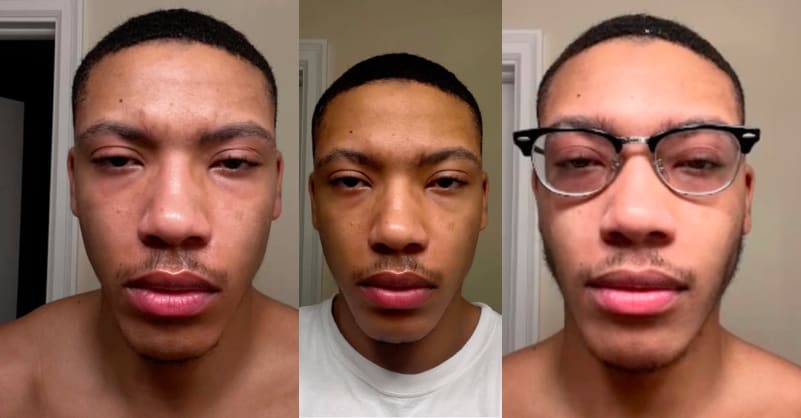
I spent two years figuring out what was actually broken. The skincare was part of it. Once I dialed in retinol, sunscreen, and a real moisturizer, I saw progress. The diet was part of it. When I cleaned up my food I saw more progress. But the part that nobody talks about, the part that mattered the most, was sleep.
And I don't mean "get eight hours." I was already getting eight hours. I mean the kind of sleep my body was actually getting in those eight hours.
Here's what I learned. When you sleep badly, even if you're "asleep" the whole night, your skin doesn't repair. Your collagen production slows. The inflammation from yesterday doesn't clear. The dead skin cells don't slough. Your face doesn't get the deep-sleep window where the actual repair happens. So you wake up looking exactly as wrecked as the day before.
Sleep is the answer. Specifically, deep sleep.
I want to be really clear about this because it took me way too long to figure it out, and I don't want you to make the same mistake. You can do everything else right, and if you're not getting deep sleep, your face will keep dragging. The skincare won't catch up. The retinol won't catch up. The water and the clean eating and the sunscreen won't catch up. Because none of those things rebuild collagen. Deep sleep does. None of those things drain the lymph that causes morning puffiness. Deep sleep does. None of those things clear yesterday's inflammation. Deep sleep does.
Your face is repaired between roughly 11 PM and 3 AM, in the deepest stages of your sleep cycle. If you're not getting into those stages, none of the other stuff you're doing is being saved overnight. You're treading water at best, sliding backwards at worst. Once I understood this, the question stopped being "what new product should I try?" and started being "how do I actually get into deep sleep every night?"
And the cause for most people, definitely for me, is cortisol. The stress hormone that should be high in the morning and low at night. If yours is staying high through the night (because you're stressed, because you're caffeinated, because you can't switch off), you don't drop into the deep-sleep phase where collagen synthesis happens. You just… lie there. Eyes closed. Brain on. Skin not repairing.
Once I figured that out, I started testing what could actually fix it.
Over 90 nights I tested five of the most popular sleep aids on the market. Here's how they actually performed. Trust me, I tested them like my career depended on it. Because for the most part, it did.
The 5 Sleep Aids I Tested Over 90 Nights
Ranked worst to best, based on sleep depth, next-morning skin, and how I looked on set the day after.

Melatonin was the first thing I tried. Same as everyone else. Walmart sells it next to the cough drops for like $8.
Here's what I learned the hard way: melatonin doesn't actually help you sleep. It tells your body it's dark outside. That's it. It's a circadian-rhythm signal, not a sedative. So if your problem is "my brain won't switch off" or "I'm running on cortisol" (which was my problem), melatonin doesn't touch it. You'll fall asleep slightly faster. You'll still wake up looking like you got hit by a truck.
I took melatonin for three weeks. My morning face was somehow worse than when I wasn't taking anything. Puffier. The under-eye situation was actually worse. I felt drugged but not rested. I gave up on it.
Plus, and this is the part nobody tells you, taking melatonin nightly suppresses your body's own production. So once you stop, you can't fall asleep without it. That's not a sleep aid. That's a dependency.
Pros
- Cheap and widely available
- Falls asleep slightly faster
Cons
- Doesn't address cortisol or stress
- Wake up groggy and foggy
- No improvement in skin or face
- Risk of dependency over time

Chamomile and lavender are calming herbs with real science behind them. The problem isn't the ingredients. It's the dose. A standard tea bag contains a fraction of what's been clinically studied for sleep. To get a meaningful dose of chamomile's active compounds, you'd need to drink something like 6–8 cups before bed. Which doesn't help, because then you're up at 3 AM going to the bathroom.
Testers reported the ritual was relaxing but the actual sleep impact was marginal. Skin and morning appearance: no measurable change.
Pros
- Calming bedtime ritual
- Hydrating, no side effects
Cons
- Doses too low to be effective
- Bathroom interruptions at night
- No skin or appearance benefit

Valerian root has decent clinical backing for sleep onset. It works on GABA receptors, the same calming neurotransmitter we'll talk about with the #1 pick. Standalone valerian helps you fall asleep, but most products underdose it (200mg is closer to the studied range; many bottles deliver 100mg or less).
The bigger limitation: valerian helps you fall asleep, but it doesn't address the underlying nervous system overdrive that fragments sleep through the night. Testers fell asleep faster but still woke at 2–3 AM. Some skin improvement on the nights they slept through, but inconsistent.
Pros
- Real clinical evidence for sleep onset
- Non-habit-forming
- Works for some people
Cons
- Most products are underdosed
- Doesn't fix mid-night wake-ups
- Strong taste/smell in capsule form
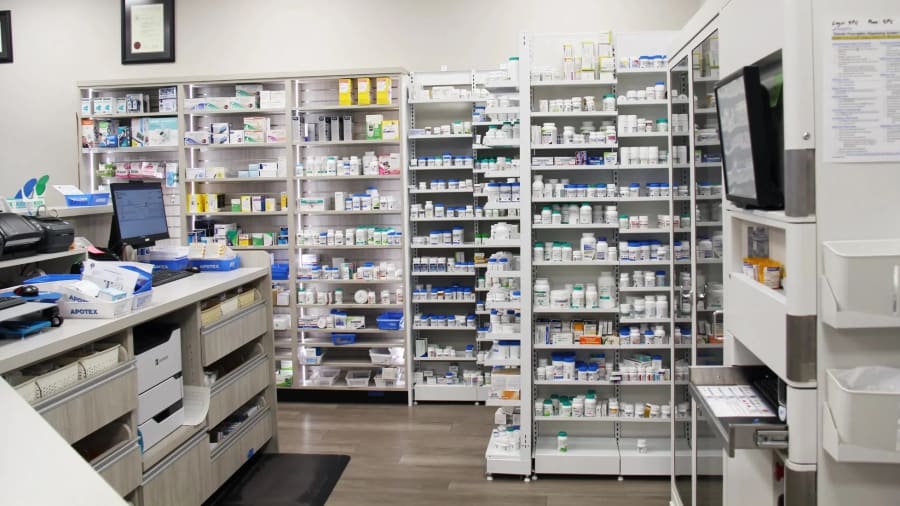
Now we're getting somewhere, and this is where it almost worked for me.
Magnesium is the right mineral. It's what your nervous system actually needs to drop cortisol and shift into rest mode. The deep-sleep window I'd been missing all along? Magnesium opens it. So when I tried this, the first few nights were the closest I'd come to actually sleeping deeply since I'd started paying attention.
Then the bathroom problem started. Magnesium citrate, the one stocked at every CVS, Walmart, and Whole Foods, is cheap to manufacture but rough on your gut. At the doses you actually need for sleep impact (300mg+), it's basically a laxative. I was waking up at 3 AM to run to the bathroom, which absolutely defeated the point of taking it for better sleep in the first place.
I cut the dose. The bathroom issue calmed down. So did the sleep benefits.
Right mineral. Wrong form. I knew there had to be a better version of this. I just didn't know what to look for yet.
Pros
- Right mineral for sleep
- Cheap and accessible
- Real benefit at low doses
Cons
- GI side effects at effective doses
- Bathroom runs at 3 AM
- Hard to take consistently

This is what I'm on now. And I'm going to be honest with you. I'm linked to MYND now because they liked what I posted on TikTok and reached out. So you can take this with whatever salt you want. But I tested everything above before I tested this, and this is the one that actually changed my mornings.
Here's why it works for the skin/face problem specifically:
Right form of magnesium. CALM MYND uses magnesium glycinate, not citrate. Glycinate is bound to glycine, an amino acid that's also calming. Bathroom-friendly. No 3 AM sprints. It actually crosses into your nervous system and raises GABA, which is the brake-pedal neurotransmitter that lets your body switch off. That's the bit that finally let me drop into deep sleep instead of just lying there closed-eyed.
It's a stack, not a single ingredient. Glycinate (125mg) + L-Theanine (100mg) for the calm, plus 5-HTP (100mg) which converts naturally into your own melatonin at the right times. No forced melatonin from outside. Plus Valerian (the actual studied 200mg dose) and Chamomile. Each ingredient covers what the others miss.
No melatonin. So no dependency, no morning grogginess, no suppression of your body's own production.
And here's what I actually clicked on it for: the skin impact. Two to three weeks in, my morning face was different. Less puffy. The under-eye situation finally calmed down. I look at photos from castings six weeks before I started this and six weeks after and you can see the difference in how rested I look. My skincare routine didn't change in that window. The diet didn't change. The only thing that changed was how deep I was sleeping.
I'm not saying it's magic. I'm saying it's the first sleep aid I tested that actually addressed what was broken instead of just covering it up.
Pros
- Right form of magnesium (glycinate)
- Full clinical-dose stack, not a single ingredient
- No melatonin, no dependency
- Visible impact on skin and morning face
- Soft chew, no capsules
- 90-night money-back guarantee
Cons
- Pricier than drugstore options
- Real results take 2–3 weeks
Where I'm at now
I take CALM MYND most nights now. Not every night. Sometimes I forget, sometimes I'm traveling, sometimes I just don't feel like I need it. But the nights I take it, I sleep deeply, and the next morning my face looks like it actually rested.
I want to be straight with you: I'm not going to tell you this is going to fix everything in your life. The skincare still matters. The food still matters. Stress management still matters. CALM MYND fits into a routine that's already working. It's not the whole routine. It's the piece I was missing.
If you've been doing the skincare and the water and the clean eating and you still wake up looking tired (the kind of tired that's dragging on your face), sleep is probably the missing piece for you too. And if you're going to take something to fix it, take something that addresses the actual cause and not just the symptom.

It's risk-free for 90 nights
If CALM MYND doesn't measurably improve your sleep, and your morning face, within 90 nights, send back the empty jars and they'll refund every penny. No restocking fees. No questions. That's why I felt comfortable recommending it.
Take a look at CALM MYND
The full ingredient breakdown, lab certifications, real customer reviews, and bundle options live on the product page. Go check it out and decide for yourself.
See CALM MYND →Disclaimer: Statements about CALM MYND and its ingredients have not been evaluated by the Food and Drug Administration. CALM MYND is a dietary supplement and is not intended to diagnose, treat, cure, or prevent any disease. Individual results vary. Consult your physician if you are pregnant, nursing, taking medication, or under medical care. Testimonials reflect real customer experiences but individual results may vary.
© 2026 MYND Wellness. All rights reserved.